Belly fat tends to behave differently than fat in other areas of the body, and many people find it's the last to respond to diet and exercise changes, especially after 40. Hormonal shifts, stress, and slowing metabolism all play a role. This guide covers why midsection weight is so stubborn and what people are doing to address it.

Not all body fat behaves the same way. Visceral fat, the type that builds up around the midsection and surrounds internal organs, is more metabolically active and more closely tied to hormone levels than fat stored elsewhere. As people age, hormonal shifts can make the body more likely to store fat in this area, even without major changes to diet or activity.
Stress is another major factor. Elevated cortisol, the body's primary stress hormone, is linked to increased fat storage around the midsection. Combined with a slowing metabolism, this is why many people find belly fat especially resistant to typical diet and exercise routines. Many people look for additional support to help address these underlying factors as part of a broader approach.
These are common areas of focus for people working to address stubborn midsection weight.
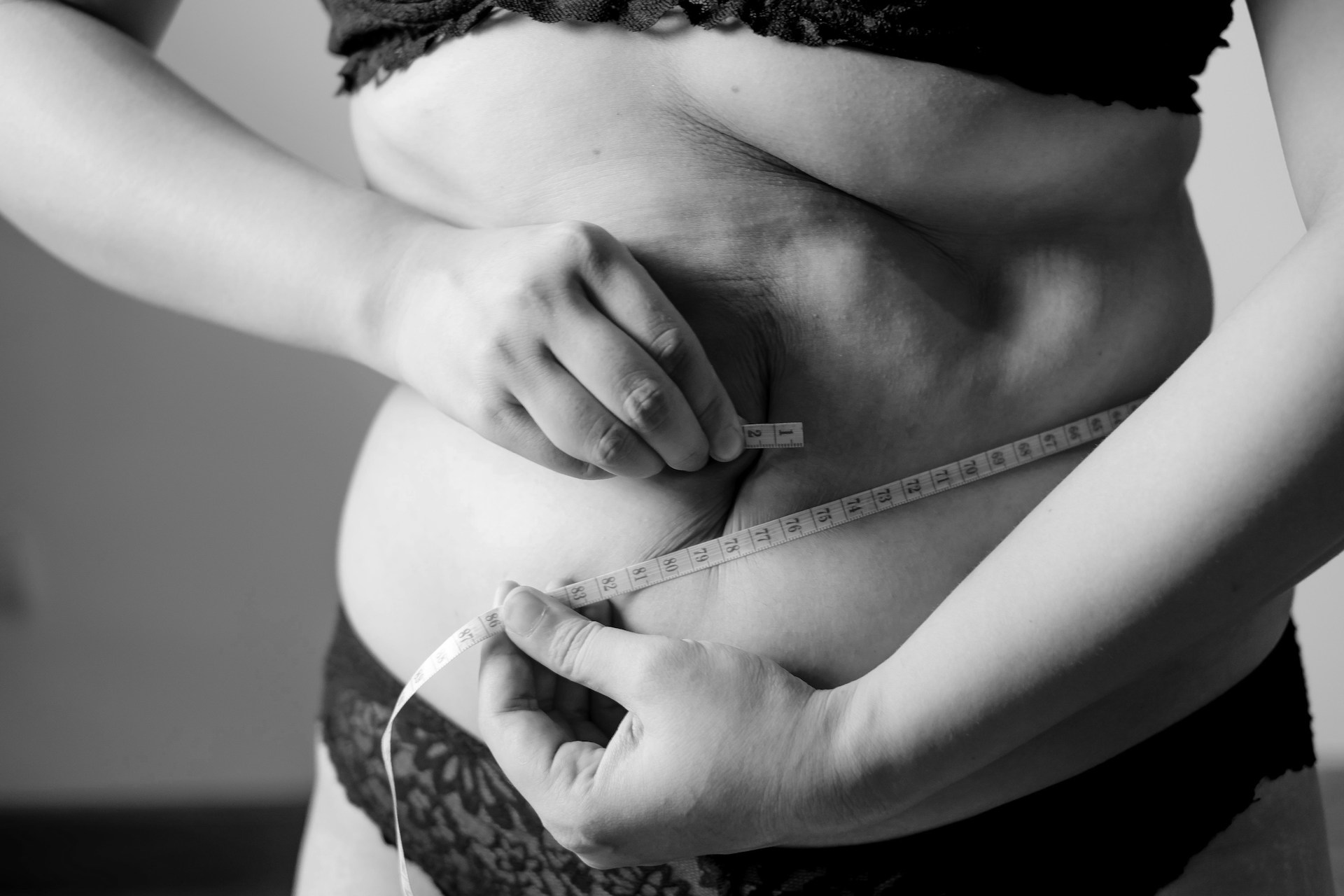
Visceral fat surrounds internal organs and is more closely linked to metabolic health, while subcutaneous fat sits just under the skin. Belly fat is often a mix of both.

Hormonal shifts that come with age can make the body more likely to store fat around the midsection, even when overall weight stays steady.

Chronic stress raises cortisol levels, which has been linked to increased fat storage around the midsection. Managing stress is often part of addressing belly fat.

Poor sleep has been linked to slower metabolism and increased cravings, both of which can make it harder to manage midsection weight.

Refined sugar and processed carbs are commonly linked to increased fat storage around the midsection. Reducing intake is often one of the first recommended steps.
Beyond diet and activity changes, many people explore additional formulas designed to support metabolism and address stubborn belly fat as part of a broader routine.
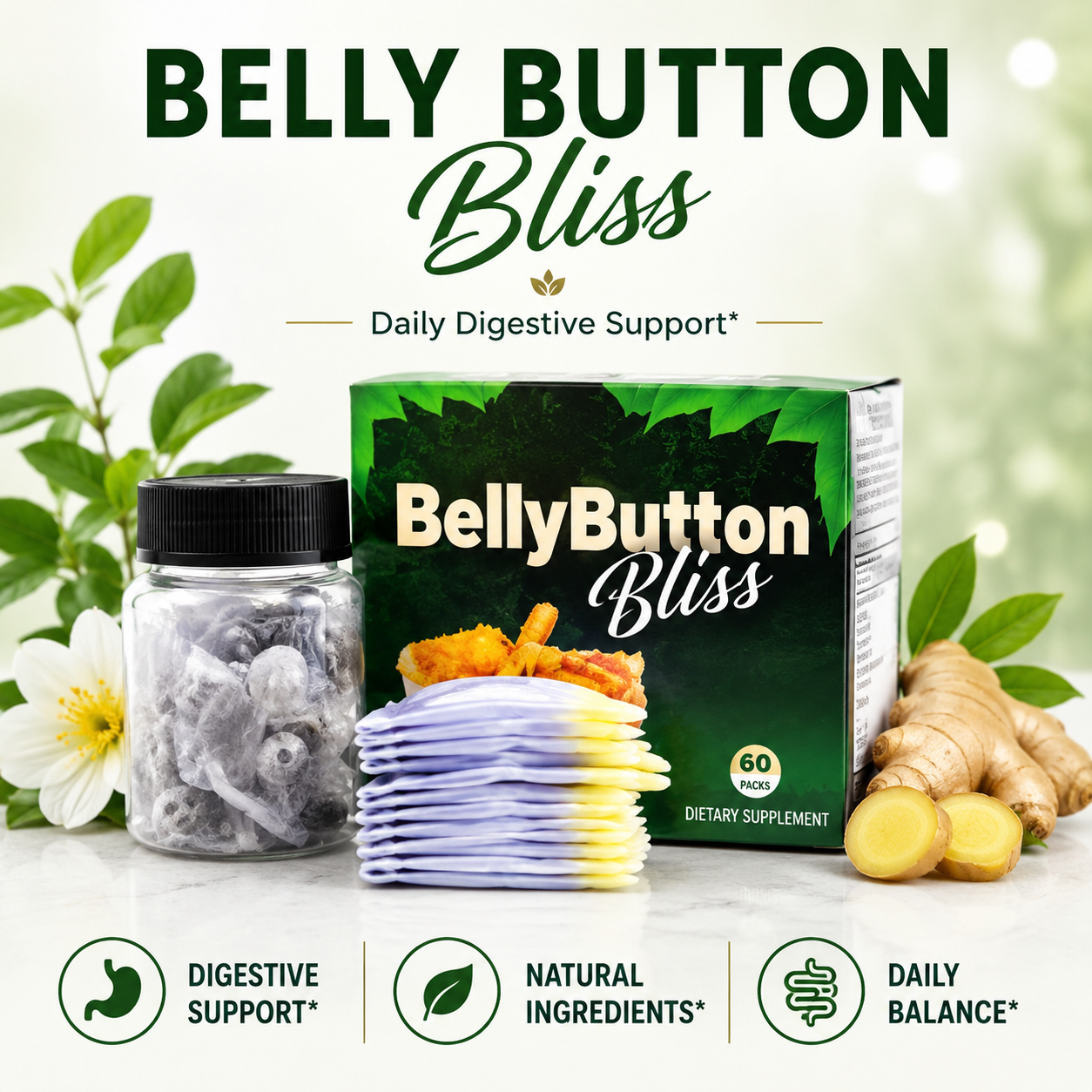
Belly Button Bliss is a formula designed to support metabolism and target the kind of stubborn midsection fat that often doesn't respond to typical diet and exercise. It's part of a growing approach that pairs lifestyle habits with targeted support for more noticeable results.
Small changes to diet and stress management can help support a healthier midsection over time.
Look for hidden sugars in drinks, sauces, and snacks, and swap one for a lower sugar option.
Try a short walk, deep breathing, or journaling to help manage cortisol levels.
Aim for 7 to 8 hours and keep a consistent bedtime to support metabolism.
Simple daily habits many adults are using to support steadier energy throughout the day.