If you've ever felt exhausted after lunch, struggled to focus through the afternoon, or found yourself reaching for another cup of coffee just to keep going, you're not alone.
Most people blame stress, getting older, or poor sleep. But for many adults, there may be another factor quietly influencing their energy, focus, and daily consistency.
Once you start paying attention to it, the pattern becomes difficult to ignore.

For the longest time, I thought feeling tired after wating was just normal.
Almost every afternoon followed the same pattern. My energy dropped, my focus disappeared, and suddenly even simple tasks felt harder than they should.
At first I blamed stress. Then sleep. Then my schedule. I told myself I just needed to push through it.
But the same pattern kept showing up. Energy would build through the morning, then crater after lunch like clockwork. Cravings would return an hour after eating even when what I ate seemed healthy. Some days a simple salad left me feeling sharper than what I thought was a balanced meal.
Something specific was happening in my body after eating that I had never actually paid attention to before. And once I started looking, everything I thought I knew about energy and food began to shift.
What Changed Once I Started Paying Attention
The pattern was more consistent than I expected. It wasn't stress. It wasn't coincidence. It tracked almost directly with what I had eaten and when.
I started keeping mental notes. Which meals left me feeling sharp two hours later. Which ones had me reaching for coffee or something sweet just to get through the afternoon.
What surprised me most was that it wasn't junk food causing the biggest swings. Sometimes it was meals I thought were healthy. That's when I realized there might be more to the story than calories alone.
That sent me looking into what was actually happening and why so many other people were quietly dealing with the same thing.
What I Found Surprised Me
The more I researched, the more I realized many adults weren't simply changing what they ate.
They were also looking for ways to support steadier energy, fewer cravings, and better consistency throughout the day.
Many people start by improving meals, walking more, and paying closer attention to what causes afternoon crashes.
But I kept noticing the same thing appearing in conversations, reviews, and wellness communities.
People weren't just trying to avoid energy slumps.
They were looking for targeted nutritional support designed to complement the healthy habits they were already building.
That's when I started comparing some of the most talked-about energy support formulas available today.
See if you qualify for the formula that appeared most often during my research.
The more I researched afternoon crashes, post-meal sluggishness, and fluctuating energy levels, the more I realized many people weren't relying on diet changes alone.
They were looking for ways to support steadier energy, fewer cravings, and better consistency throughout the day without constantly reaching for another cup of coffee.
One option kept appearing in discussions about daily energy support and nutritional wellness. It was being mentioned by people who were already working on their habits but wanted additional support as part of their routine.
That's why it eventually became one of the first products I decided to take a closer look at.
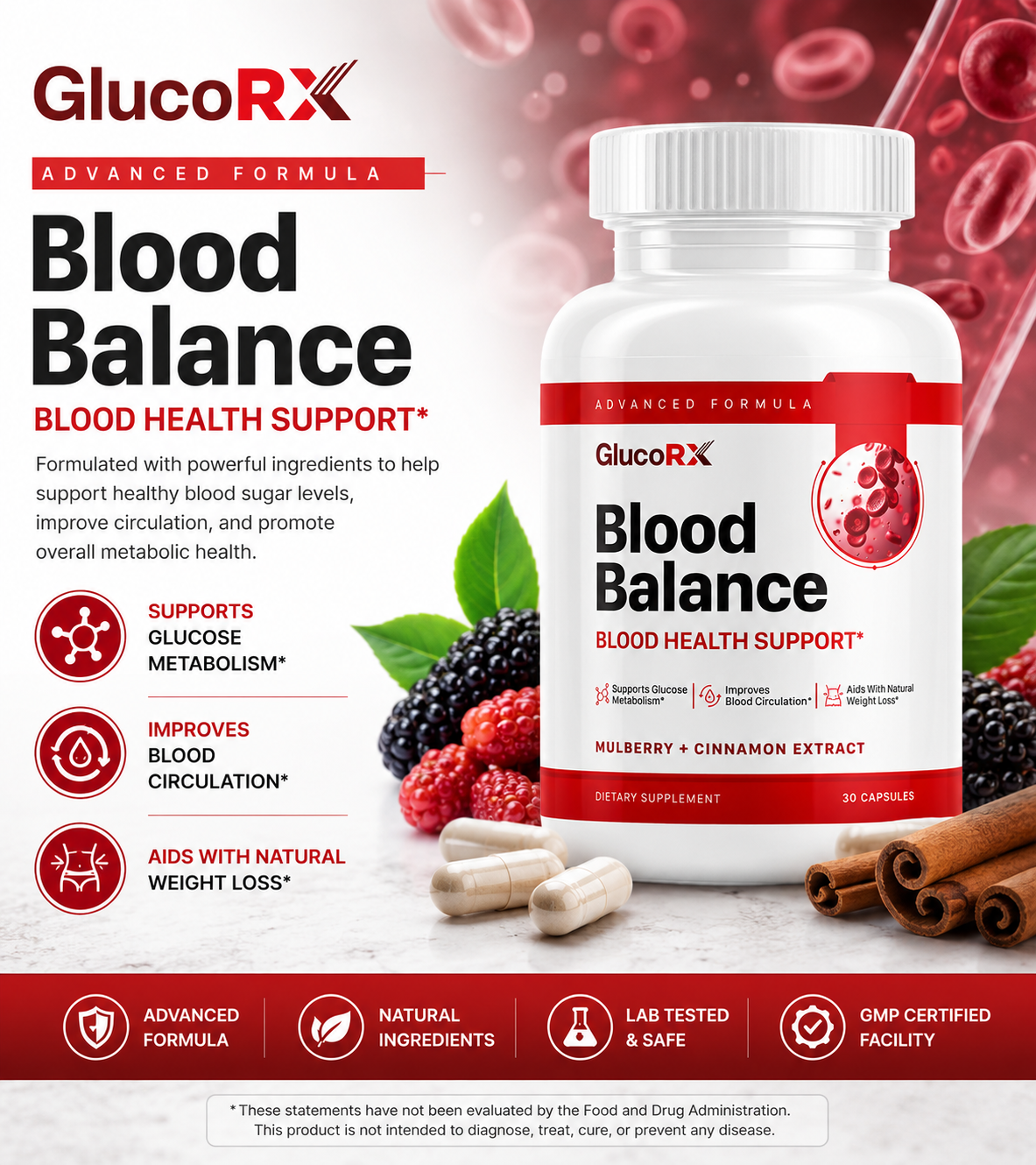
Many wellness products are available in both single-package and multi-package options. While some people prefer to start with the smallest option available, others compare package sizes to better understand the overall value.

Larger packages often reduce the cost per serving and may include additional promotional savings, shipping incentives, or other limited-time offers.
During my research, I noticed many shoppers weren't comparing products as much as they were comparing package options. Once they found something that aligned with their goals, the next decision was usually which package offered the best overall value.
✓ Consistent daytime energy
✓ Fewer afternoon crashes
✓ Better focus after meals
✓ Less reliance on caffeine
✓ More predictable daily routines

Simple daily habits many adults are using to support steadier energy throughout the day.