I didn't think much of it at first, then it started getting in the way. The stiffness showed up after workouts first. A knee that took longer to loosen up. A shoulder that felt off on certain movements.
At first it was easy to ignore. Then I started avoiding certain movements altogether. Workouts took longer to recover from, and some days I felt older than I should have.
I wasn't ready to accept that this was just part of getting older. Still active, still moving, still doing what I was supposed to be doing. But s.
That sent me looking into what was actually happening and what people who wanted to stay active were doing about it.

Joints and nerves work closely together. Joints rely on cartilage, fluid, and surrounding tissue to move smoothly, while nerves run through and around those same areas, sending signals between the brain and the rest of the body.
When a joint becomes stiff or inflamed, nearby nerves can get irritated too. That's why discomfort and sensations like tingling or numbness often show up at the same time and in the same areas.
For people who stay active through walking, lifting, or regular movement, some stiffness and occasional nerve sensations are common, especially after 35. Stretching, proper warmups, and posture all play a role. Many people also look for additional support to stay consistent.
The more I researched, the more I realized many active adults weren’t relying on stretching and mobility work alone.
Most people start with the obvious things. More stretching. More walking. Better posture. Maybe a few recovery habits. Those routines matter, but I kept seeing the same pattern show up again and again.

Many people who wanted to stay active long term were also looking at targeted joint and nerve support formulas designed to complement those daily habits.
That's when I started looking closer at the formulas people were recommending most often. See the product that appeared most frequently duing my research.
After comparing numerous joint and nerve support supplements, NeuroSena consistently ranked among our top recommendations.
It combines a comprehensive ingredient profile with competitive multi-bottle pricing, making it one of the strongest overall values we reviewed.
When paired with healthy lifestyle habits like movement, recovery, and proper nutrition, NeuroSena provides a practical option for those looking to support joint comfort, mobility, and healthy nerve function as part of their daily routine.

Many wellness products are available in single-bottle and multi-bottle packages. While some people prefer to start small, others review bundle options because they often lower the cost per bottle and may include promotional savings or free shipping.

For shoppers who already feel a product aligns with their goals, comparing all available packages can make it easier to choose the best overall value.
During my research, I noticed many shoppers weren't comparing products as much as they were comparing package options. The larger bundles often reduced the cost per bottle and sometimes included additional discounts or shipping incentives.
These are common areas of focus for people working to stay active while managing joint and nerve comfort.

Stiffness often comes from reduced fluid and cartilage wear, especially in joints that get repeated use like knees, hips, and shoulders.

Tingling, numbness, or a pins and needles feeling can happen when nerves are compressed or irritated, often near joints or areas of repetitive movement.
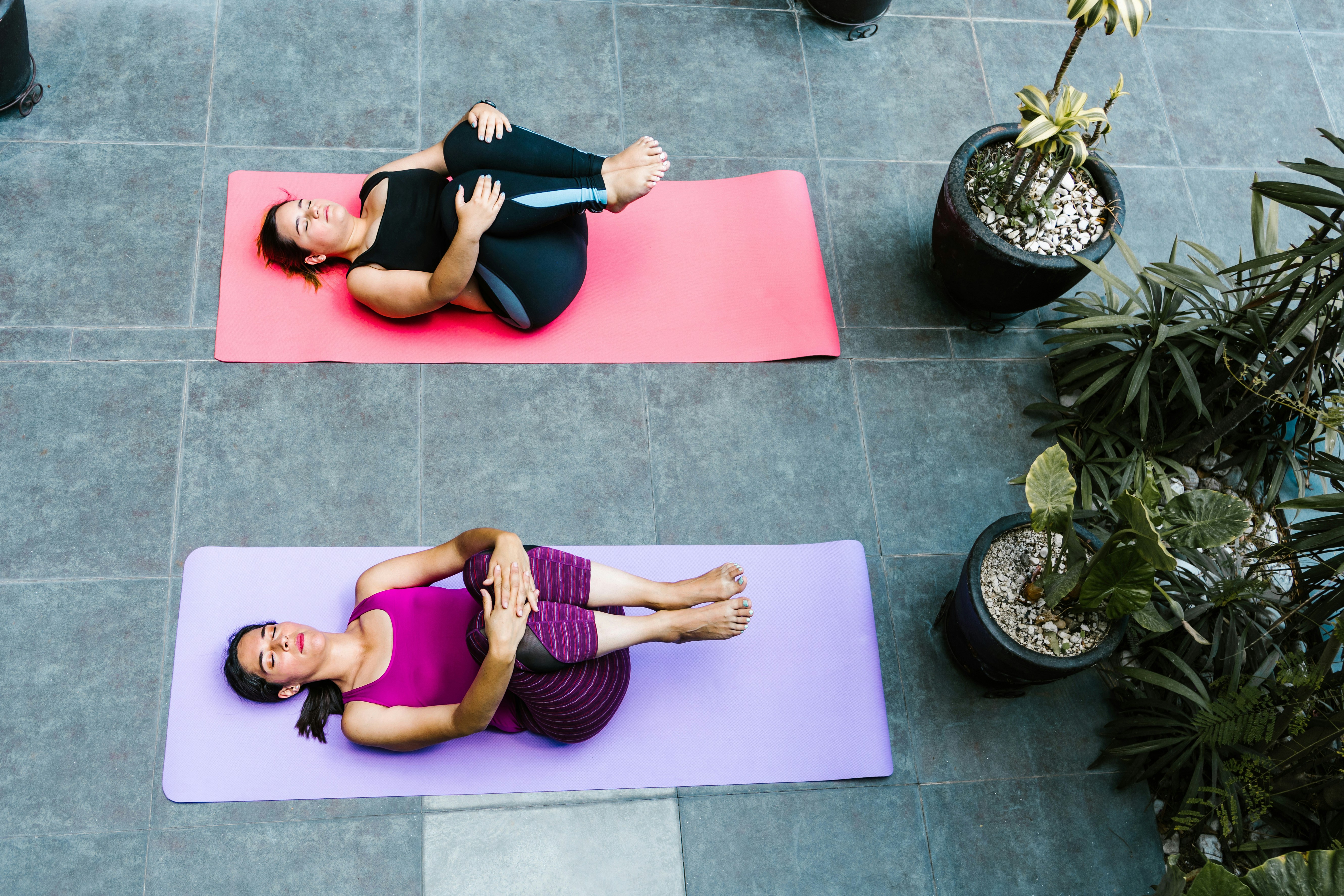
Regular stretching and mobility exercises are commonly recommended to keep joints moving smoothly and reduce pressure on surrounding nerves.
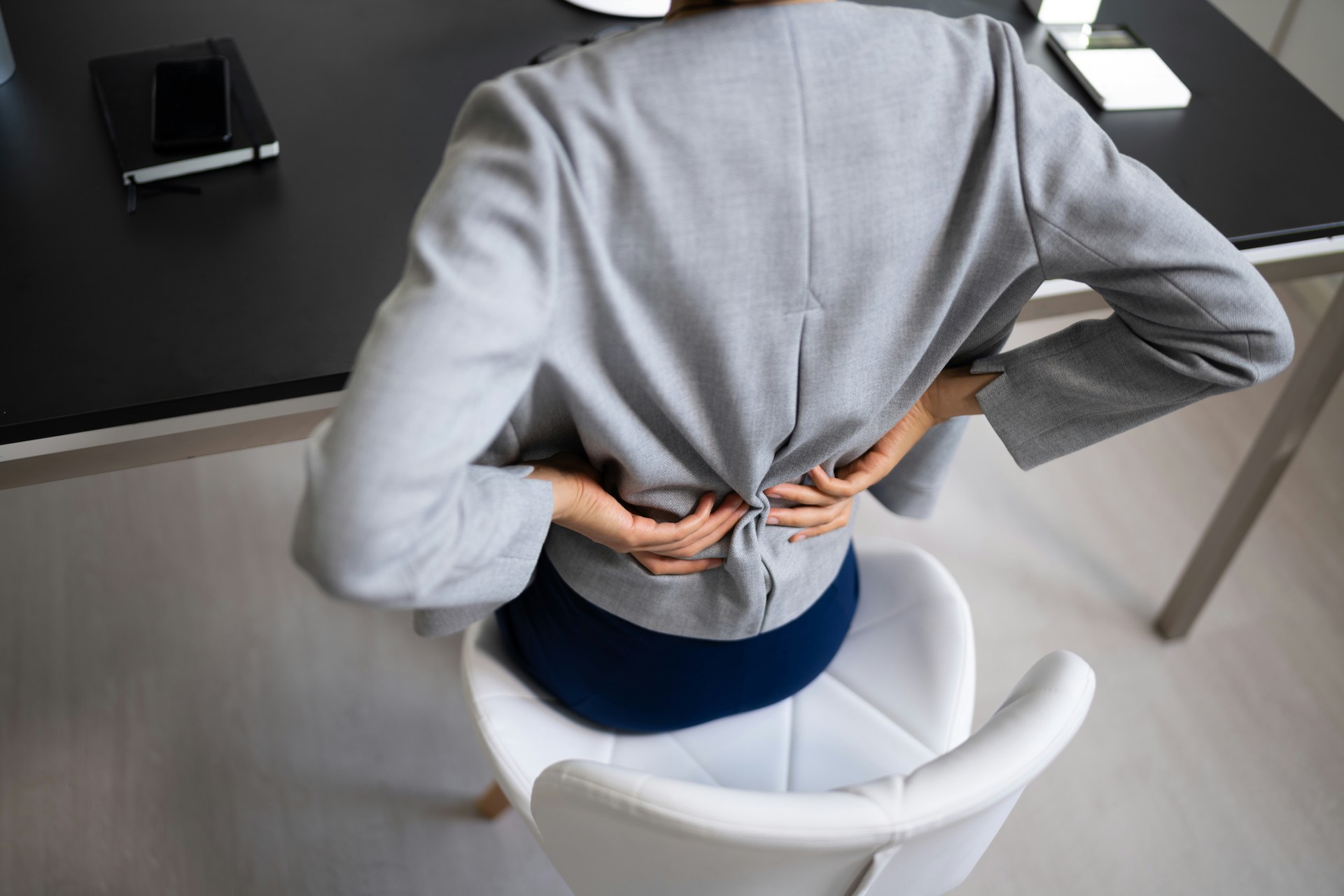
How you sit, stand, and move throughout the day affects joint alignment and nerve pressure. Small posture adjustments can make a noticeable difference over time.

Inflammation is one of the main contributors to joint discomfort. Diet, hydration, and activity level all play a role in managing it.

Beyond movement habits, many people explore formulas specifically designed to support joint and nerve health as part of staying active long term.
Small adjustments to your routine can help support joint comfort and nerve health over time.
Focus on the joints you use most, like knees, hips, and shoulders, before or after activity.
Take note of how you sit and stand throughout the day, and make small adjustments where needed.
Aim for a short walk or light activity, even on days you don't have a full workout planned.
Simple daily habits many adults are using to support steadier energy throughout the day.